


Lower Layers
3.817.00 Reviews
App Specs
- Version
- 1.1.5
- Updated On
- License
- Free
- Downloads
- 10,000+
- Developer
- Oobe games llc
- Categories
- Strategy
- Platform
- Android
Screenshots
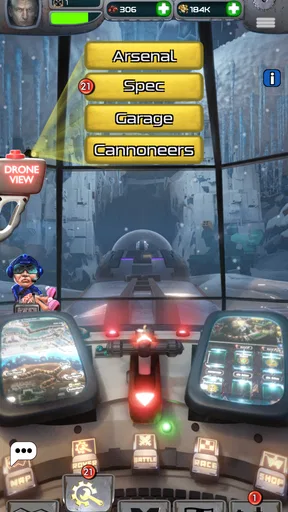
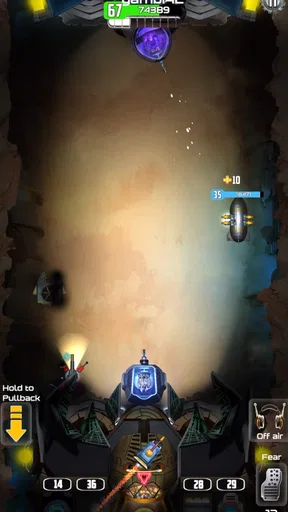
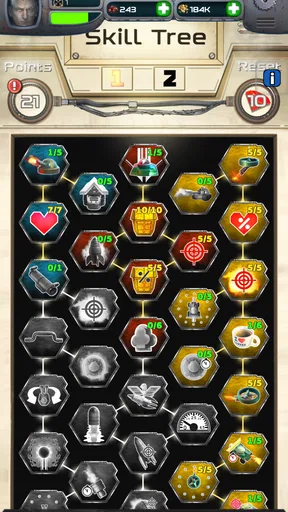
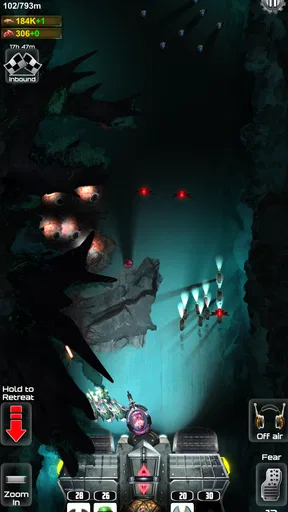
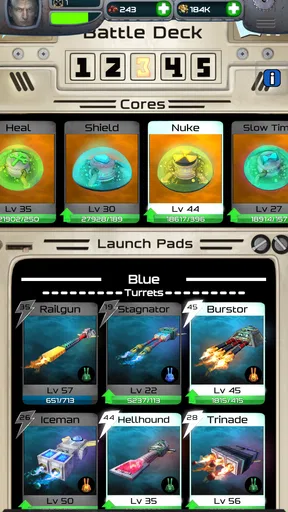
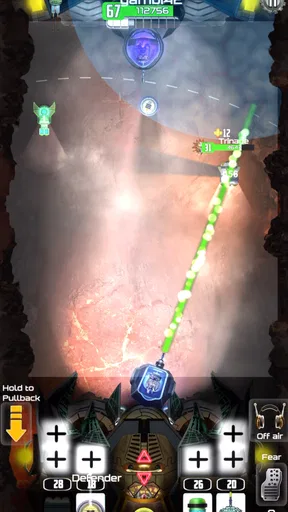
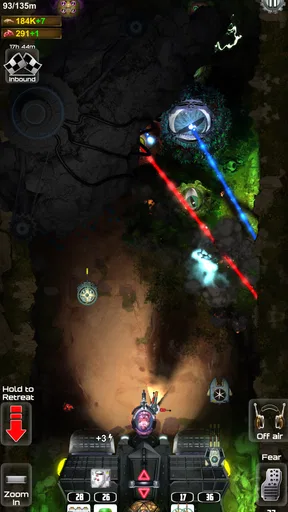
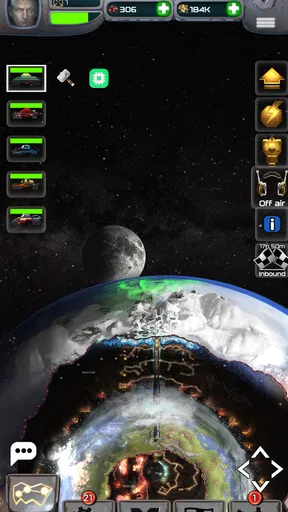
 Analysis by AppCompare
I went into Lower Layers expecting a strategy game built around short competitive sessions, and that is broadly how it feels: a free Android title from Oobe games llc that combines player-versus-player combat with an AFK-oriented approach. The interesting question is not whether it has a clever store tagline, but whether the mix works when I want something I can check quickly without giving up the satisfaction of making meaningful tactical choices.
After spending time with it, my impression is mixed but useful. The game has a clear appeal for players who like strategy progression without needing to remain online every minute. At the same time, its competitive side means “AFK” does not automatically make it relaxed. When other players, upgrades, and timing matter, passive progress can support a match rather than replace decision-making. That distinction is important before you install it.
How Lower Layers plays and where its value comes from
I found the appeal of Lower Layers in the balance between checking in briefly and still having a strategic reason to return. This section looks at how its free entry and optional purchases shape that value, then turns to the pressure that can come with building progress for PvP. Trying the core loop before spending is the most sensible way to judge whether that balance suits you.
A free starting point with optional spending
The basic download is free, so the first decision is simple: you can try the game without paying an entry fee. The listed in-app purchase range runs from $0.99 to $99.99 per item, which places it in the familiar free-to-play strategy model. I would treat that as a reason to test the opening experience, not as proof that the complete competitive experience costs nothing.
That difference matters more in a PvP game than in a purely solo strategy title. In a single-player campaign, spending may mainly shorten a grind or add convenience. In a competitive environment, purchases can affect how quickly a player reaches useful power, depending on how the game structures progression. I would therefore judge the free route over several sessions instead of deciding after the first few minutes.
The practical value is strongest if you already enjoy checking a game repeatedly during the day. A quick visit while commuting, during a break, or after finishing work can feel worthwhile when progress continues between active sessions. If you prefer to pay once and receive a complete, fixed experience, the purchase model may feel less comfortable, because the free entrance and the optional item prices point to an ongoing progression design rather than a traditional premium game.
What the AFK idea adds to strategy
The AFK element is more than a convenience label. It changes how I think about each session. Instead of asking whether I have enough time for a long match, I can focus on the decisions that deserve attention and leave the less urgent progression for later. That makes the game easier to fit around a busy routine than a strategy title that expects uninterrupted concentration every time it opens.
Worth Reading Before You Choose

Flipboard Shows What News Apps Must Do Beyond the Feed

Switching to Android Auto Means Rethinking Your Driving Routine

Google Calendar Makes a Crowded Week Easier to Manage

Ludo King Makes the Most of the Minutes Between Plans

Baby Panda World Brings Quick Play to Modern Phones, but Its Game Library Feels Busy

ESPN’s Live Game View Makes Following Close Games Easier
However, passive progress can also encourage shallow habits. It is tempting to collect what has accumulated, make the most obvious upgrade, and close the game again. The better approach is to use those short visits as planning checkpoints. I would look at what changed, decide which improvement supports my next competitive goal, and avoid spending resources simply because an upgrade button is available.
That is one of the more useful ways to approach Lower Layers: treat AFK progress as preparation, not as the whole game. The active decisions still need to feel intentional. If you want a strategy game where every outcome comes from hands-on control, this format may feel too indirect. If you like setting a direction and returning to evaluate the result, it has a more natural fit.
Competitive value depends on how you play
Player-versus-player combat gives the game a reason to keep refining your approach. A routine that works against predictable computer opponents may not be enough when another person has made different choices. That creates a stronger reason to learn from losses instead of merely repeating the same upgrade path.
My advice is to avoid treating every defeat as evidence that you need to spend money. First ask whether your choices were consistent with the goal you had in mind. Did you invest too broadly? Did you improve something that looked attractive but did not help your preferred approach? Did you enter a competitive situation before your setup was ready? Those questions are more valuable than chasing a purchase as a quick fix.
This is also where the game may divide players. Strategy fans who enjoy gradual optimization can find a satisfying loop in comparing decisions across sessions. Players who want a perfectly even contest based only on immediate skill may be less patient with any free-to-play progression structure. The game’s value is therefore tied to whether you enjoy managing development as part of competition.
Small-session use without losing the strategic thread
A realistic everyday scenario is a player who has ten minutes before leaving home. Rather than starting a demanding match that must be completed immediately, they can check progress, make one carefully chosen adjustment, and return later for a more focused competitive session. That rhythm is more convincing to me than the idea of using the game as background entertainment all day.
For this routine to work, I would suggest keeping a simple mental rule: make one or two purposeful changes per visit, then observe what those changes do. Constantly changing several parts of a setup makes it difficult to understand why results improved or worsened. In a game built around progression and PvP, controlled experimentation is more useful than frantic tapping.
Another practical tip is to separate “maintenance” visits from “learning” visits. A maintenance visit handles accumulated progress and basic preparation. A learning visit is when you pay attention to the outcome of a competitive encounter and decide what to change next. Mixing both moods can make losses feel more frustrating, while separating them helps the game remain a manageable part of the day.
What the current release tells me
The game is listed as version 1.1.5, and it launched on Aug 19, 2025. That places it in a relatively early stage compared with long-established strategy games that have had years to build out their systems and polish their balance. I would keep that in mind when comparing it with familiar alternatives: Lower Layers may feel more like a developing competitive product than a fully mature one.
It supports Android 7.1 and later, which makes it accessible to many older devices as well as newer phones. That does not guarantee identical performance across every handset, so I would still pay attention to how smoothly it runs on your own device before committing time or purchases. The Teen content rating is another useful signal: it is not positioned as a child-focused strategy game, and parents should consider that rating when deciding whether it is suitable for younger players.
Its current audience is modest, with over 10 thousand installs, and the average rating is 3.8 from around 85 ratings. I read that as a reason to approach it with realistic expectations rather than as a decisive verdict. There is enough activity to show that people are trying it, but not the broad evidence you get from a huge, long-running mobile game. The smaller footprint may appeal to players who want something less familiar, while others will prefer the community depth of a major alternative.
Where it stands beside other strategy games
Compared with traditional turn-based strategy games, Lower Layers appears aimed at a faster, more persistent rhythm. You are not simply sitting down for one self-contained campaign and then walking away. The AFK structure makes progress part of the game’s identity, while PvP gives that progress a competitive destination.
Compared with fully passive idle games, it asks more from the player conceptually. A passive title can be satisfying when the main pleasure is watching numbers grow. Here, the competitive framing makes your choices feel more consequential, at least for players who engage with the strategic side rather than only collecting rewards.
Compared with premium strategy games, the cost structure is the biggest difference. A free download lowers the barrier to experimentation, but optional purchases introduce a layer that a one-time purchase usually avoids. I would choose a premium alternative if I wanted a known total cost and a carefully bounded experience. I would choose this one if I preferred trying the game first and was comfortable deciding later whether optional spending adds enough value for my own play style.
Friction points worth considering before installing
The first limitation is the tension between convenience and involvement. AFK progress is useful when I am busy, but it can make the game feel less rewarding if too much of the outcome seems to happen away from the screen. The best moments come when passive development sets up an active decision, not when the game removes the need to think.
The second is competitive patience. PvP can make progress feel meaningful, but it can also make setbacks more personal than a failed solo attempt. If you dislike losing to players who may have spent more time or money developing their position, you may find the format stressful. A conventional campaign-focused strategy game would be a better choice for a calmer, more controlled experience.
The third is the need to manage spending deliberately. Because the purchase range reaches from small items to much larger individual purchases, I would decide on a personal limit before buying anything. The free installation gives you room to evaluate the loop first. Use that opportunity. Do not assume that a purchase will solve a strategic problem you have not yet understood.
I also would not recommend installing it solely because you want a large social ecosystem or a proven competitive scene. With around 17 reviews and a smaller install base, it does not have the visible scale of the biggest mobile strategy names. That does not make it poor, but it does mean the appeal must come from the game itself rather than from a huge established community.
Who will get the most from it?
I think Lower Layers is best suited to players who enjoy planning in small pieces. You might have only a few minutes at a time, but you still want your decisions to connect across the day. The combination of passive progression and PvP gives those players a reason to return without demanding that every visit become a long play session.
It is also a reasonable choice for someone curious about competitive strategy but unwilling to pay upfront. The free entry lets you discover whether the combat and progression rhythm suit you. I would spend time learning the basic loop before considering any optional item, especially if your main interest is proving that your decisions work rather than accelerating development.
Players who should skip it are those looking for a complete offline-style strategy package, a single purchase with no additional spending decisions, or a game where every advantage comes from direct moment-to-moment control. They may be happier with a premium tactics game or a traditional campaign title. Likewise, if you find recurring check-ins irritating rather than convenient, the AFK structure will probably feel like an obligation.
My buy-or-skip verdict
I would recommend trying Lower Layers for free if you like the idea of PvP strategy that can be managed around a busy schedule. Its strongest value is the combination of short check-ins, longer-term planning, and a competitive reason to improve. The experience makes most sense when you use passive progress to support thoughtful active choices, not when you expect the game to play itself.
I would skip optional purchases at first. The listed cost range is wide, and the game’s value should be judged by how much enjoyment the free route gives you before you add money to the equation. If the core loop remains engaging after the novelty fades and you understand what you are buying, a small purchase may feel reasonable. If you are already bored or frustrated, spending more is unlikely to change the underlying fit.
My final view is cautiously positive. Lower Layers is worth a fair trial, not a blind commitment. It offers a specific blend of AFK convenience and competitive strategy, and that blend can work very well for the right routine. It is not the best substitute for a premium strategy game, nor is it ideal for anyone who wants purely passive progress. But if you want a free Android game you can revisit throughout the day while still making decisions that matter in PvP, this release from Oobe games llc deserves a place on your shortlist.
In short, I would install it, learn the progression loop without spending, and give it enough sessions to see whether the competitive side keeps pulling me back. If it does, you have found a flexible strategy game with room to develop your own habits. If it does not, the free entry makes moving on easy. That is the fairest way to approach Lower Layers: explore first, spend only with a clear reason, and choose it for its particular rhythm rather than expecting it to behave like every other strategy game.
Pros
- Clear
- minimal interface makes core information easy to find.
- Useful for learning how network layers interact in practice.
- Works well as a quick reference for technical concepts.
- Organized content helps beginners follow the subject step by step.
- Lightweight design should run smoothly on most modern devices.
Cons
- Some explanations may feel too basic for experienced networking users.
- Limited interactive content can make learning feel passive.
- Technical terminology may require additional research for beginners.
- The app may offer little value without a specific networking goal.
- Content depth may not match that of dedicated networking courses.
FAQs for Lower Layers
What is Lower Layers and what kind of experience does it offer?
Lower Layers is an atmospheric exploration and adventure game focused on discovering what lies beneath a mysterious environment. Rather than relying only on fast-paced action, it encourages players to investigate their surroundings, solve environmental challenges, and pay attention to visual and audio clues. The experience is best suited to users who enjoy immersive worlds, gradual storytelling, exploration, and games that reward curiosity and careful observation.
Is Lower Layers suitable for beginners or casual players?
Lower Layers can be enjoyed by beginners, especially players who prefer exploring at their own pace instead of competing under constant pressure. However, some areas may require patience, experimentation, and close attention to the environment. The game does not necessarily explain every detail immediately, so newcomers should be prepared to explore thoroughly and learn through observation. It is a better fit for thoughtful players than for those seeking a simple, purely casual experience.
Does Lower Layers require an internet connection to play?
The need for an internet connection may depend on the version and platform from which Lower Layers is downloaded. Core gameplay is generally designed around exploration and should not require a permanent online connection once the necessary files are installed, but an internet connection may still be needed for downloading, updates, account verification, advertisements, or platform services. Check the store listing on your Android or iOS device before installing if offline access is important.
Are there in-app purchases, advertisements, or additional costs in Lower Layers?
Before downloading Lower Layers, users should review the official store page for the current pricing model because availability and monetization can vary between platforms. Some versions may be offered as a paid game, while others could include optional purchases or advertising. The safest approach is to check the sections labeled in-app purchases and app information before confirming the download. This helps avoid unexpected costs, particularly when using a shared family account or a child’s device.
What devices are compatible with Lower Layers, and does it require much storage?
Compatibility depends on the specific Android or iOS release, including the minimum operating-system version, processor requirements, and available memory. Because Lower Layers is built around an atmospheric presentation, older devices may experience longer loading times, reduced visual quality, or performance issues. Make sure your phone or tablet has enough free storage for both the initial installation and future updates. Installing the latest system updates can also improve stability and reduce compatibility problems.


